- Oct 16th 2026
- by The Online Team
The true cost of dental treatment abroad — and what happens when things go wrong?
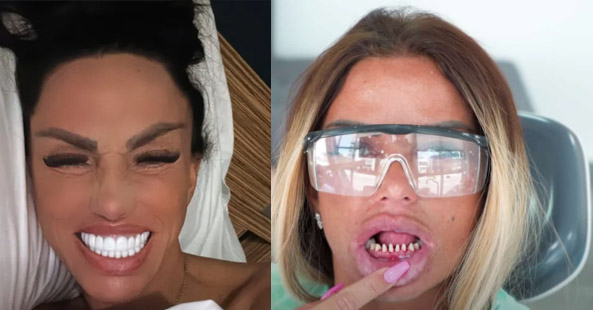
With the rising cost of living it is understandable that patients are looking for ways to save money on dental treatment. Travelling abroad for dental implants, crowns, veneers, bridges or a complete smile makeover can appear to offer significant savings, particularly when treatment is advertised as a package that includes flights, accommodation and dental work. For some patients treatment abroad may be a positive experience. However, it is important to understand that dental treatment is not simply a cosmetic purchase. It is a medical procedure that can have long-term implications for your oral health, comfort and confidence.
The initial price may look attractive but what happens if something goes wrong once you return home? What are the risks of having restorative dentistry abroad?
1. Treatment may be more extensive than necessary
One concern with extensive restorative treatment is whether the proposed work is appropriate for the individual patient. For example, preparing multiple healthy teeth for crowns may involve permanently removing tooth structure. Once this has been done, those teeth will generally require ongoing restoration and maintenance. Similarly, dental implants require a thorough assessment of your gums, bone levels, general oral health and suitability for surgery. A treatment plan should be based on your individual needs, not simply on the availability of a discounted package. Before committing to extensive treatment, it is worth understanding all the alternatives, the long-term implications and whether less invasive options are available.
2. Quality and standards can vary
There are excellent dental professionals working overseas, just as there are differences in quality between dental providers in the UK. The important point is that patients need to be confident in the clinician's qualifications, the materials being used, the proposed treatment plan and the arrangements for aftercare. Problems can arise when restorations do not fit correctly, crowns or bridges affect the bite, cosmetic work does not achieve the expected result, or implants fail to integrate with the bone. Poorly fitting restorations may contribute to discomfort, difficulty cleaning, gum inflammation and damage to the surrounding teeth or tissues. Extensive treatment that does not function properly can affect everyday activities such as eating and speaking, as well as a patient's confidence. 3. Short treatment times may not allow for every stage of care Some dental treatments can be completed relatively quickly but others require several stages over a period of months. Dental implant treatment, for example may involve initial investigations, surgery, a healing period and the final restoration. The appropriate timescale depends on the patient's circumstances, bone quality, the need for grafting and other clinical factors. Although immediate or same-day teeth are possible for suitable patients, they are not appropriate in every case. A treatment plan should be guided by clinical need rather than a fixed holiday itinerary.
4. Follow-up care can be difficult
One of the biggest challenges of dental treatment abroad is accessing follow-up care once you are back in the UK. If you experience pain, swelling, a loose crown, a broken bridge or problems with an implant, returning to the original clinic may mean arranging further flights, accommodation and time away from work. Even where a clinic offers a guarantee the terms may be subject to conditions, exclusions or further travel. It is important to establish exactly what is covered, who pays for corrective treatment and how quickly you can receive help if a complication develops. A guarantee does not necessarily mean that all remedial treatment, travel expenses or associated costs will be covered. When things go wrong, who puts it right? This is often the question patients do not consider until they are already experiencing a problem. If your dental work was completed abroad and you subsequently experience difficulties, you may turn to a UK dental practice for advice and help. At Murray Dental, we understand how worrying it can be to discover that treatment you invested in is not working as expected. Patients may come to us with concerns about failed implants, painful or loose restorations, gum problems, an uncomfortable bite or cosmetic results that have not met their expectations. However, correcting previous dental treatment can be more complex than carrying out the original procedure. Before recommending any corrective work, a thorough assessment is needed to establish the condition of the teeth, gums, implants and existing restorations.
This may involve X-rays, a CBCT scan where clinically indicated, photographs and a detailed review of your dental history. Depending on the findings, corrective treatment may involve:
• Removing and replacing crowns, bridges or other restorations.
• Managing inflammation or infection around teeth or implants.
• Removing a failed implant, where necessary.
• Tooth removal or root canal treatment if a tooth cannot be predictably restored by simpler means.
• Further implant surgery, potentially involving bone grafting.
• Reconstructing the bite or planning a new restorative solution.
Not every complication requires all these procedures, and in some cases a relatively straightforward repair may be possible. However, the treatment required will depend on the individual circumstances. There may also be limitations to what can be achieved. Previous treatment can leave teeth, bone or soft tissues compromised, and it may not always be possible to recreate the original result. It is also important to understand that a UK practice assessing or treating a complication does not automatically assume responsibility for the original work carried out elsewhere. Any corrective treatment will need its own assessment, consent, treatment plan and fee agreement. Could putting things right cost more than the original treatment? Unfortunately, it can. A patient may initially save money by travelling abroad, but if the treatment subsequently fails or needs significant alteration, the additional costs can quickly accumulate. These may include:
• The cost of investigations and specialist consultations.
• Removal and replacement of defective restorations.
• Surgical treatment to manage failed implants.
• Bone grafting or other procedures needed before replacement implants can be considered.
• Temporary teeth or restorations while further treatment is planned.
• Additional appointments, time away from work and travel expenses.
For example, a patient who has invested in multiple implants and a full-arch bridge may discover that a complication requires some or all of the restoration to be removed and remade. The solution may be considerably more involved than simply replacing one crown. There is no guarantee that corrective treatment will be successful or that the original cosmetic result can be reproduced. This is why the potential cost of complications should form part of the decision before treatment begins. How can you protect yourself before committing to treatment? Whether you choose treatment in the UK or abroad, it is worth taking the time to ask the right questions. Before proceeding, consider:
• Who will carry out the treatment?
Check their qualifications, experience and registration where applicable.
• What exactly is included in the price?
Establish whether investigations, temporary restorations, follow-up appointments and any additional procedures are included.
• What are the alternatives?
Ask whether less invasive options are suitable and what happens if you decide not to proceed.
• What are the risks?
Make sure you understand the potential complications and the limitations of the proposed treatment.
• What happens if something goes wrong?
Obtain clear written information about aftercare, guarantees, exclusions and the arrangements for remedial treatment.
• How will the work be maintained?
Crowns, bridges and implants all require appropriate long-term care, regular reviews and good oral hygiene.
• Can you obtain an independent opinion?
For extensive or irreversible treatment, a second opinion before committing can be invaluable.
A reputable provider should be willing to explain the proposed treatment clearly and give you time to make an informed decision. Considering corrective dental treatment? Murray Dental can help.
At Murray Dental in Coventry, we recognise that patients who have undergone dental treatment abroad may be concerned, disappointed or unsure where to turn when problems develop. Our team can assess your existing dental work, discuss the concerns you are experiencing and explain the options that may be available to you. Where appropriate, investigations can help us understand the condition of existing teeth, restorations and implants before a treatment plan is considered. We will explain the potential risks, limitations and costs involved so that you can make an informed decision about your next steps.
Please be aware that corrective treatment can be complex and may require several stages. We cannot guarantee that every problem can be resolved or that the original result can be replicated. If you are experiencing difficulties with dental implants, crowns, bridges or cosmetic restorations completed abroad, we encourage you to seek a professional assessment rather than allowing a problem to continue.
Your smile is an investment in your health, comfort and confidence. Before choosing dental treatment based on price alone, consider the quality of care, the long-term maintenance and, most importantly, who will be there to support you if things do not go to plan.
Contact our reception team at Murray Dental, Coventry, to discuss an assessment for restorative dental concerns or corrective treatment.
*Corrective treatment consultations are subject to assessment and applicable fees. Any proposed treatment, associated risks and costs will be discussed with you before proceeding. * Ask your dentist or our reception team for more information and get yourself booked in for that smile you always wanted.


